


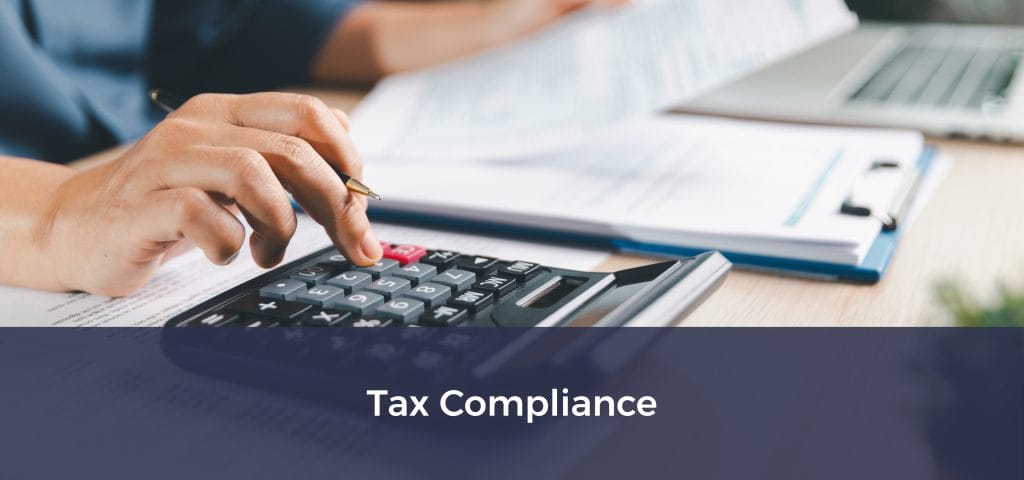
Tax compliance is one of the most critical pillars that companies and institutions rely on to ensure adherence to applicable tax regulations.
Its role is not limited to paying due taxes but extends to complying with all regulatory requirements related to registration, preparing returns, maintaining accounting records, and disclosing financial data accurately and transparently.
Tax compliance helps reduce legal and financial risks, enhance business stability, and build a trust-based relationship with regulatory authorities.
In this article, we review the concept of tax compliance, its importance, objectives, requirements, and best practices that help organizations achieve full compliance, in addition to answering the most frequently asked questions.
Tax Compliance and Its Importance for Businesses and Individuals
Tax compliance is the commitment of taxpayers to all tax laws and regulations by registering with the competent authorities, submitting tax returns within specified deadlines, paying due taxes, and maintaining records and documents that prove the accuracy of financial data.
Tax compliance is a fundamental element for the success of any entity, as it reduces the likelihood of facing fines and penalties, enhances financial management efficiency, and contributes to achieving sustainability and growth.
Tax compliance is a set of procedures and obligations that individuals and entities must follow to ensure the correct application of tax systems. This includes:
- Registration in the tax system.
- Issuing invoices in accordance with regulatory requirements.
- Preparing tax returns.
- تقديم الإقرارات في المواعيد المحددة.
- Paying tax dues.
- الاحتفاظ بالسجلات والوثائق المالية.
- Cooperating with tax authorities during reviews or audits.
Why is Tax Compliance Important?
The importance of tax compliance lies in its achievement of numerous benefits, most notably:
- Avoiding financial fines and penalties.
- Reducing legal risks.
- Improving the entity’s reputation before official authorities.
- Enhancing the confidence of investors and partners.
- Supporting sound financial planning.
- تسهيل عمليات التدقيق والمراجعة.
- Raising the level of transparency and credibility in financial reports.
Objectives of Tax Compliance
Tax compliance aims to achieve a set of important objectives, including:
Enhancing Regulatory Compliance: Ensuring taxpayers adhere to all tax regulations and instructions.
Protecting Entities from Violations: Reducing the likelihood of penalties resulting from errors or delays.
Improving Financial Data Quality: Helping prepare accurate financial reports that support decision-making.
Supporting Financial Stability: Tax compliance reduces financial surprises resulting from fines or tax disputes.
Achieving Transparency: Enhancing financial disclosure in line with regulatory requirements.
Elements of Successful Tax Compliance
Successful tax compliance depends on several key elements, the most important of which are:
- Correct Tax Registration: Ensuring the entity is registered with the competent authorities when registration conditions are met.
- Maintaining Accurate Financial Records: Keeping all accounting entries, invoices, and documents in an organized manner.
- Submitting Returns on Time: Adhering to the specified deadlines for submitting tax returns.
- Paying Dues: Paying due taxes within the statutory period.
- Reviewing Data: Ensuring the accuracy of all information before submitting returns.
Requirements for Tax Compliance
To achieve full compliance, entities must adhere to a number of requirements, including:
- Maintaining accurate accounting books and records.
- Keeping invoices and documents.
- Issuing tax invoices according to regulations.
- Updating tax data when any changes occur.
- Regularly submitting tax returns.
- Paying dues on time.
- Cooperating with the competent authorities during inspection processes.
Key Challenges of Tax Compliance
Companies may face some challenges when implementing compliance requirements, such as:
- Constant changes in tax legislation.
- Complexity of some regulations and procedures.
- Weak accounting systems.
- Lack of in-house tax expertise.
- Human errors in preparing returns.
- Disorganized documentation and records.
How Do Accounting Systems Help Achieve Tax Compliance?
Modern accounting systems play a pivotal role in supporting tax compliance by:
- Automating accounting processes.
- Preparing financial reports quickly and accurately.
- Tracking tax deadlines.
- Reducing manual errors.
- Storing data electronically.
- تسهيل عمليات التدقيق والمراجعة.
The Role of a Tax Consultant in Enhancing Compliance
Engaging a qualified tax consultant helps entities to:
- Interpret tax regulations.
- Correctly prepare returns.
- Review tax obligations.
- Provide solutions for tax issues.
- Represent the entity before competent authorities when needed.
- Reduce risks associated with non-compliance.
Consequences of Non-Compliance with Tax Regulations
Failure to comply with tax regulations may lead to many negative outcomes, including:
- Imposition of financial penalties.
- Calculation of late payment penalties.
- Increased likelihood of tax audits.
- Disputes with competent authorities.
- Impact on cash flows.
- Damage to the entity’s reputation.
Best Practices for Achieving Tax Compliance
To ensure efficient tax compliance, it is recommended to follow these practices:
- متابعة التحديثات الضريبية باستمرار.
- Organize financial records.
- Use advanced accounting software.
- Review returns before submission.
- Train the finance team on regulatory requirements.
- Prepare an annual plan for tax obligations.
- Keep all required documents.
- Seek assistance from tax experts when needed.
The Relationship Between Tax Compliance and Financial Planning
Tax compliance contributes to improving the quality of financial planning within entities by helping to:
- Anticipate tax obligations in advance.
- Manage cash flows efficiently.
- Prepare accurate budgets.
- Avoid unexpected expenses resulting from penalties.
- Support investment decisions.
Tips for Maintaining Tax Compliance
To achieve the highest levels of commitment, ensure you:
- Continuously update your entity’s data.
- Review new tax regulations.
- Adhere to statutory deadlines.
- Conduct periodic reviews of tax files.
- الاحتفاظ بجميع المستندات المؤيدة.
- Rely on advanced technological solutions for tax management.
خدمات CLA
- Tax and Zakat Planning: We provide professional solutions and strategies for planning tax and zakat obligations in accordance with regulations, helping to improve financial efficiency, benefit from statutory advantages and exemptions, and reduce tax burdens legally to support the sustainability and growth of your business.
- International Tax and Zakat Services: We offer specialized consultations for companies engaged in international business activities or having cross-border operations, helping them understand international tax requirements, comply with tax treaties, and manage financial obligations efficiently while minimizing risks associated with international dealings.
- Tax and Zakat Consultations: Our team of experts provides specialized professional consultations to address various tax and zakat issues, analyze the impact of financial decisions, and offer appropriate solutions that help enhance compliance, manage risks, and make more efficient financial decisions.
- Tax and Zakat Dispute Resolution: We support our clients throughout all stages of tax and zakat disputes, from case study and analysis, through preparing memoranda and objections, to representing them before competent authorities during negotiation or appeal proceedings, aiming to protect their rights and achieve the best possible outcomes.
Frequently Asked Questions About Tax Compliance
What is Tax Compliance?
It is the commitment of individuals or entities to all tax laws and regulations, including registration, preparation and submission of returns, payment of due taxes, and maintenance of financial records.
What is the difference between Tax Compliance and Tax Planning?
Tax compliance focuses on adhering to regulations and fulfilling tax duties, while tax planning aims to manage tax obligations efficiently and benefit from advantages permitted by the system.
What are the most prominent risks of non-compliance?
They include financial penalties, late payment penalties, disputes with tax authorities, tax audits, and negative impact on reputation and financial stability.
How can companies improve Tax Compliance?
By organizing financial records, using modern accounting systems, monitoring regulatory updates, reviewing returns before submission, and consulting tax experts when needed.
Do accounting systems contribute to achieving Tax Compliance?
Yes, they help automate accounting processes, prepare returns accurately, store data, reduce errors, and track statutory deadlines, thereby enhancing adherence to tax requirements.

In conclusion, tax compliance is an essential element for ensuring business soundness and financial stability.
It is not merely about fulfilling tax obligations, but represents an integrated approach that enhances transparency, reduces risks, and preserves the sustainability of entities.
By applying best practices, utilizing modern accounting systems, and leveraging specialized expertise, companies can achieve effective tax compliance that positively reflects on their performance and growth.
Read also: Penalty for Failure to File an Income Tax Return: How Is It Calculated