


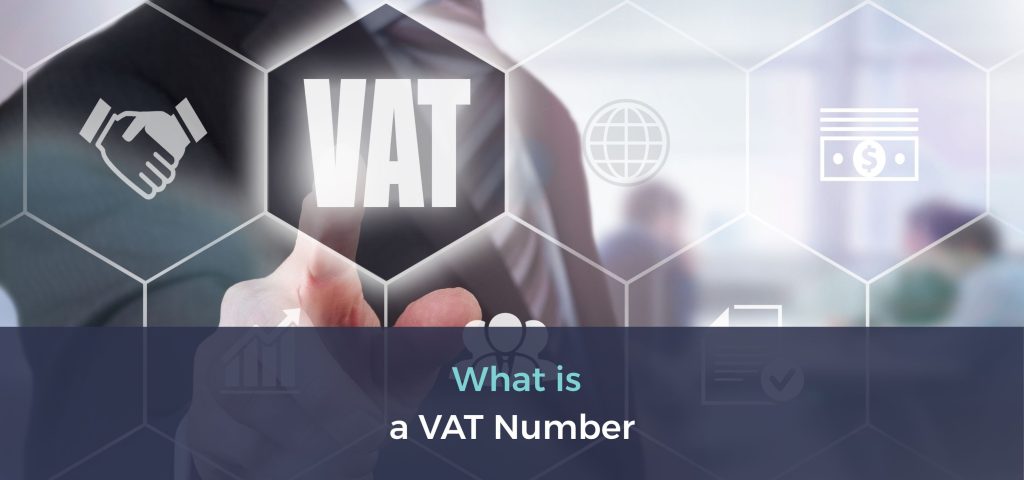
What is a VAT number? is one of the questions that has become increasingly common recently, prompting a wide segment of people to search for an answer.
In the Kingdom of Saudi Arabia, Value Added Tax (VAT) is administered by the Zakat, Tax and Customs Authority (ZATCA), and the tax number is used in transactions and procedures related to tax obligations in accordance with applicable laws and regulations.
Therefore, knowing what a VAT number is and using it properly represent an important part of managing entities’ financial and accounting transactions.
What is a VAT Number?
When searching for an answer to the question what is a VAT number, we find that it is an identification number associated with the registration of an entity or individual in VAT with the competent tax authority.
This number is used when carrying out many procedures and transactions related to tax, such as issuing tax invoices, inter-entity dealings, and submitting tax returns, in accordance with applicable requirements.
The number should not be viewed merely as a set of digits appearing on an invoice; rather, it represents an important element of the tax system that helps identify the registrant and link their transactions and tax obligations to the data recorded with the competent authority.
Why Is a VAT Number Important?
The tax number plays an important role in organizing transactions subject to VAT, and its importance is evident in several aspects:
- Identifying the Registered Entity: The tax number helps identify the entity or individual registered with the tax authority, facilitating the linking of transactions and documents to the correct registrant.
- Issuing Tax Invoices: The tax number is an important data element that must be considered when issuing invoices in accordance with applicable tax requirements, as it helps clarify the identity of the registered party in the transaction.
- Organizing Inter-Entity Transactions: When companies and entities deal with one another, tax data helps document business operations and link them to the relevant parties, especially in transactions involving VAT.
- Supporting Tax Compliance: Having a clear tax number helps organize the entity’s procedures related to registration, returns, invoices, and other obligations that apply according to its tax status.
Where Does a VAT Number Appear?
The tax number may appear in a range of documents and transactions related to the registered entity, most notably tax invoices and related commercial documents, as well as data submitted within tax procedures and services.
The entity must ensure the accuracy of the number and associated data, and update the information when any change requiring that occurs, in accordance with official procedures.
Is a VAT Number the Same as a Tax Number?
Terminology may vary depending on the tax system in each country, so it is important to refer to the official definitions of the competent tax authority.
In the Saudi context, the tax number is associated with the registered entity and its related tax obligations, and is used in transactions and documents related to VAT in accordance with regulatory requirements.
What Is the Difference Between a VAT Number and a Commercial Registration Number?
The tax number differs from the commercial registration number in terms of the issuing authority and the purpose of use.
The commercial registration number is associated with the registration of the entity and its commercial activity with the authority responsible for commercial registries, while the tax number is associated with registration and obligations with the tax authority.
When Does an Entity Need a VAT Number?
An entity needs to register for VAT when the conditions for mandatory or voluntary registration apply under the applicable tax system. After registration, the entity is subject to the specific obligations and requirements for registrants.
It is important not to assume that all entities are subject to the same procedures; obligations vary according to the size and nature of the activity, the value of supplies, and other factors determined by the competent tax authority.
Should the Tax Number Be Placed on the Invoice?
This depends on the type of invoice and the tax requirements applicable to the entity. For tax invoices, there are specific data and requirements that must be complied with in accordance with applicable regulations and instructions.
Therefore, entities must ensure that their invoicing systems are configured to display the required data correctly, and review the official requirements when making any updates to the invoicing system.
Does a VAT Number Change?
It should not be assumed that the tax number changes or remains fixed in all cases; this depends on the nature of the registration and the systems and procedures in place at the tax authority.
In the event of substantial changes to the entity’s data or tax status, the competent authority should be consulted to determine the required procedure.
The Importance of Managing Tax Data Within the Entity
Managing VAT is not limited to knowing the tax number; it includes organizing an integrated set of data, records, and documents.
Therefore, entities need to ensure the accuracy of customer and supplier data, review invoices, record transactions accurately, and retain relevant documents.
Accounting and e-invoicing systems can help organize this data and reduce errors; however, the existence of a system does not replace periodic review and ensuring compliance with tax requirements.
CLA Services
- Tax and Zakat Compliance: CLA helps entities prepare and review returns and comply with regulatory requirements.
- Tax and Zakat Planning: CLA provides solutions to help manage tax and zakat obligations efficiently.
- International Tax and Zakat Services: CLA offers advisory services for international transactions and their tax and zakat implications.
- Tax and Zakat Consulting: CLA supports clients in addressing tax and zakat issues and inquiries.
- Indirect Tax and Zakat Services: CLA helps manage and comply with VAT and customs duties.
- Tax and Zakat Dispute Resolution: CLA supports clients in objections, appeals, and the resolution of tax and zakat disputes.
- Transfer Pricing Services: CLA helps companies comply with transfer pricing requirements and reduce associated risks.
- Tax Technology and Digital Transformation: CLA helps develop tax processes using technical solutions and automation.
- Tax Auditing: CLA reviews records and transactions to detect risks and enhance tax compliance.

Frequently Asked Questions About What is a VAT Number
What is a VAT number?
It is an identification number associated with an entity or individual registered for VAT with the competent tax authority, and is used in tax transactions, procedures, and documents in accordance with applicable requirements.
Is a VAT number the same as a commercial registration number?
No. Each number serves a different function. The tax number is linked to tax registration and obligations, while the commercial registration number is linked to the entity’s registration and commercial activity with the competent authority.
Where is a VAT number found?
The tax number may appear on invoices, tax documents, and data associated with registration with the competent authority, in accordance with applicable requirements.
Do all entities need a VAT number?
Not necessarily. Registration for VAT is subject to conditions and rules set by the competent tax authority, and registration may be mandatory or voluntary depending on the entity’s status, size of activity, and other factors specified in the system.
How can a VAT number be verified?
The official verification service provided by the competent tax authority can be used. In Saudi Arabia, electronic services of the Zakat, Tax and Customs Authority (ZATCA) can be referred to for verifying data according to the available service and requirements.
In conclusion, understanding what is a VAT number helps business owners and accounting professionals comprehend one of the most important elements of tax transactions.
The number serves as a means to identify the registrant and link their transactions and tax procedures to the data recorded with the competent authority, and it appears on documents and invoices in accordance with applicable requirements.
It is important for the entity to ensure it uses the correct number, verify the tax data of parties it deals with, and organize invoices, records, and financial data accurately, while referring to official authorities regarding any questions related to registration or tax obligations.
READ A:SO: Verifying VAT Registration