


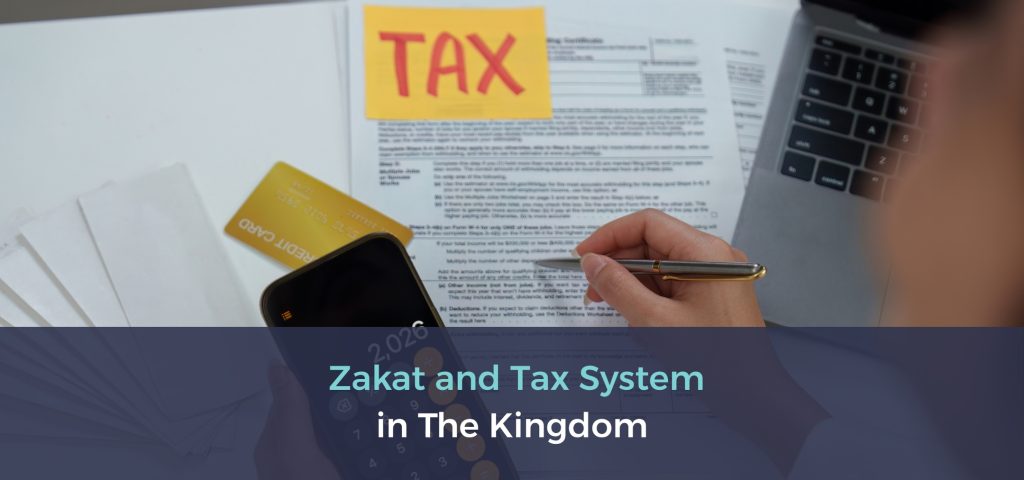
The Zakat and tax system in the Kingdom of Saudi Arabia is one of the fundamental pillars that regulate the financial and economic aspects within the Kingdom.
It aims to achieve financial justice, enhance economic sustainability, and diversify revenue sources in line with the goals of Saudi Vision 2030. This system includes a set of regulations and legislation that govern the collection of Zakat and taxes from individuals and enterprises according to clear controls that ensure transparency and compliance.
With the continuous development of the investment environment in the Kingdom, becoming familiar with the provisions of Zakat and taxes has become essential for business owners and investors, as it plays a role in avoiding violations, organizing financial transactions, and enhancing confidence in the business environment.
In today’s article, we take you on a tour to clarify a number of points regarding the Zakat and tax system in the Kingdom of Saudi Arabia, along with presenting a range of CLA services.
The Zakat and Tax System in the Kingdom of Saudi Arabia and Its Objectives
The Zakat and tax system in the Kingdom of Saudi Arabia is based on a set of systems that aim to regulate the collection of Zakat and taxes and manage the financial obligations of taxpayers, while providing a stable economic environment that supports growth and investment.
Among the most prominent objectives of the system are:
- Diversifying national income sources.
- Enhancing financial sustainability.
- Raising the level of tax compliance.
- Supporting economic development.
- Achieving fairness among taxpayers.
- Improving the efficiency of public spending.
- Enhancing transparency in commercial transactions.
What is Meant by Zakat?
Zakat is an Islamic obligation and one of the pillars of Islam. It is a due right on the wealth of Muslims when certain conditions are met, such as reaching the Nisab (minimum threshold) and the passage of a full year (Hawl) for assets where this is required.
Zakat aims to achieve social solidarity, assist eligible groups, and purify wealth while increasing blessings in it.
What is Meant by Taxes in the Kingdom?
Taxes are financial amounts imposed by the state on certain activities, goods, or services according to approved regulations.
They are used to finance public projects and services, support economic development, and improve the quality of infrastructure and government services. Taxes in the Kingdom vary according to the type of activity or financial transaction.
The Difference Between Zakat and Taxes
Although Zakat and taxes are both related to financial obligations, there are fundamental differences between them, including:
- Zakat is a religious act of worship prescribed by Islam, while taxes are a regulatory obligation imposed by the state.
- Zakat has specifically designated disbursement channels under Shariah, whereas taxes are directed to finance public services and projects.
- Zakat is imposed when certain conditions are met, while taxes vary according to the type of activity, goods, or services.
- The methods of calculating Zakat differ from the mechanisms for calculating taxes according to applicable regulations.
Most Prominent Types of Taxes in the Kingdom of Saudi Arabia
The tax system in the Kingdom includes several types of taxes, the most important of which are:
- Value Added Tax (VAT).
- Income tax on categories subject to it according to regulations.
- Withholding tax.
- Real estate transaction tax.
- Excise taxes on certain specified goods.
Each type of these taxes is subject to specific controls and regulations that determine the mechanism of application and compliance.
Who is Obligated to Pay Zakat and Taxes?
The categories obligated to pay Zakat or taxes vary according to the nature of the activity and the regulatory status of the taxpayer, and include:
- Individuals in cases where Zakat is due.
- Sole proprietorships.
- Companies.
- Investors.
- Commercial, industrial, and service enterprises.
- Entities engaged in economic activities subject to tax regulations.
Importance of Complying with the Zakat and Tax System
Compliance with the system achieves many benefits, including:
- Avoiding fines and penalties.
- Enhancing trust in the business activity.
- Improving the management of financial operations.
- Raising the level of transparency.
- Facilitating audit and review processes.
- Supporting business continuity.
Obligations of Taxpayers
Taxpayers are obligated to fulfill a number of regulatory duties, the most prominent of which are:
- Registering when registration conditions are met.
- Submitting returns on time.
- Maintaining financial records and documents.
- Issuing regulatory invoices when required.
- Paying dues within specified deadlines.
- Updating data whenever any changes occur.
Penalties for Violating Regulations
The regulations impose penalties for violations related to Zakat or taxes, examples of which include:
- Late registration.
- Late submission of returns.
- Failure to pay dues on time.
- Providing incorrect information.
- Violating invoicing and record-keeping requirements.
Penalties vary according to the type and size of the violation and what is decided by the competent authorities.
Tips for Compliance with the Zakat and Tax System
To ensure full compliance with the regulations, it is recommended to:
- Continuously monitor regulatory updates.
- Organize accounting records carefully.
- Keep all invoices and documents.
- Use reliable accounting software.
- Review returns before submitting them.
- Consult accountants or specialized advisors when needed.
The System’s Role in Supporting the Saudi Economy
The Zakat and tax system contributes to achieving many positive effects on the national economy, such as:
- Enhancing public revenues.
- Supporting government projects.
- Improving the investment environment.
- Increasing financial transparency.
- Encouraging regulatory compliance.
- Contributing to achieving the goals of Saudi Vision 2030.
CLA Services
CLA offers an integrated package of tax and Zakat services designed to help individuals and companies efficiently manage their financial obligations and achieve the highest levels of regulatory compliance. The most prominent of these services include:
- Tax and Zakat Consultations: CLA provides professional consultations to help clients understand tax and Zakat requirements, find suitable solutions for various financial issues, and provide the necessary guidance to mitigate risks and ensure compliance with applicable regulations.
- Tax and Zakat Compliance: CLA undertakes the preparation, review, and submission of tax and Zakat returns according to the highest standards of accuracy, ensuring their compliance with regulatory regulations and helping clients avoid potential violations and penalties.
- Tax and Zakat Planning: CLA provides strategic solutions for planning tax and Zakat obligations, contributing to improving financial efficiency, benefiting from regulatory advantages, and managing tax burdens in a legal and well-considered manner.
- International Tax and Zakat Services: CLA supports companies dealing with global markets by providing specialized consultations on international taxes, analyzing cross-border transactions, and assisting in compliance with relevant tax regulations and agreements.
- Indirect Tax and Zakat Services: CLA helps enterprises manage indirect taxes, foremost among them Value Added Tax, by reviewing financial operations, preparing returns, and providing the necessary support to ensure full compliance with regulatory requirements.
- Tax and Zakat Dispute Resolution: CLA provides specialized services in managing tax and Zakat disputes, including preparing objections, representing clients before competent authorities, and negotiating to reach fair solutions that protect clients’ rights and ensure compliance with regulatory procedures.
Frequently Asked Questions About the Zakat and Tax System in the Kingdom of Saudi Arabia
What is the Zakat and tax system in the Kingdom of Saudi Arabia?
It is a set of systems and regulations that govern the collection of Zakat and taxes and manage the financial obligations of taxpayers according to the approved regulations in the Kingdom.
What is the difference between Zakat and taxes?
Zakat is a Shariah obligation with designated disbursement channels, while taxes are a regulatory obligation imposed by the state to finance public services and projects.
Who is obligated to comply with the Zakat and tax system?
Individuals, enterprises, and companies are obligated according to the nature of the activity and the regulatory provisions applicable to each case.
What is the importance of complying with Zakat and tax regulations?
Compliance helps avoid penalties, improve business management, and enhance transparency and trust in the business activity.
What happens when the Zakat and tax system is violated?
The taxpayer may be subject to fines or regulatory penalties that vary according to the type and impact of the violation, in accordance with applicable systems and regulations.
The Zakat and tax system in the Kingdom of Saudi Arabia represents an integrated framework for regulating financial obligations, achieving a balance between regulatory compliance and supporting economic growth.
Understanding this system and complying with its provisions helps avoid violations, improve business management, and enhance confidence in the investment environment, making it an essential element for the success of individuals and enterprises within the Kingdom.
READ ALSO : how to calculate zakat in Saudi Arabia